 St James Church
School
St James Church
School



Our Christian Vision and Values
St James is a school that serves its community with a clear vision and distinct Christian values:
We are also part of a large family of collaborative Church schools in the Bath and Wells Multi Academy Trust with a shared vision and Christian values.

‘In order that you might have life - life in all its fullness’ John 10:10
The St James Vision :
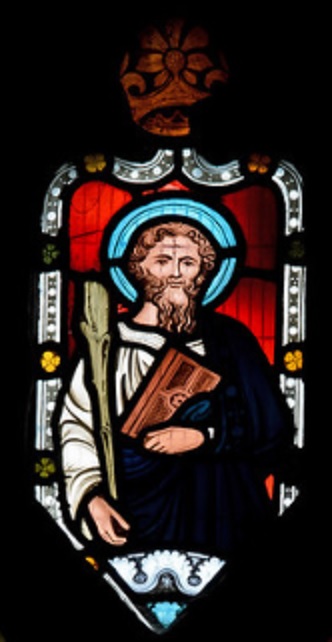
When Jesus spoke the words of John 10:10 to his disciples (including James) he had a vision for them that went beyond what they could see at that time. In this verse, Jesus says he has come, ‘In order that you might have life - life in all its fullness’. John 10:10. It’s a reminder that it is possible for us to know a full life, in which we know the security of being in the hands of the good shepherd. People of faith will listen to him because he is like the shepherd whose sheep know his voice. The picture to the left shows a depiction of St James at St James Church in Taunton to which we have strong links.
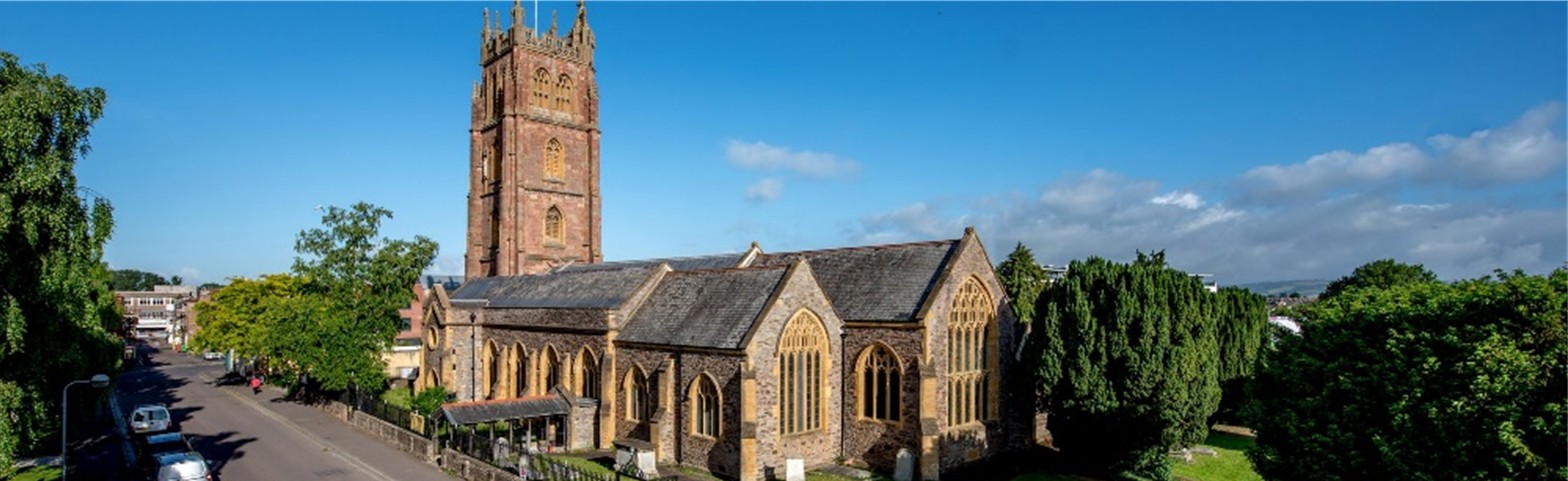 St James Church school has been at the heart of the St James Church and Taunton community for over 200 years in the centre of this historical market town. We are a school with children from many different backgrounds, countries and faiths. This diversity and cultural capital is to be celebrated and shared.
St James Church Website :stjamestaunton.org
 Many people take a pilgrimage to Santiago de Compostela in Spain to pay respects to St James, often travelling over mountain passes and walking hundreds of miles.
We want to follow in wise footsteps, our lives to be full of challenge, enjoying the assents and descents, but working towards a goal. We want to enjoy those moments when we reach a mountain top or dip our toes in the sea along the journey to celebrate our achievements, just like the St James pilgrims. To be a pilgrim is foremost a spiritual journey; it is the journey of one's spirit in union with God and all his creation.
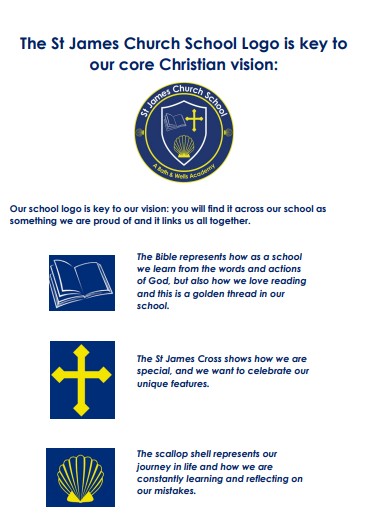
In the Bible, St James was one of the first disciples to follow Jesus but St James made mistakes along the way often drawing inspiration and guidance from Jesus. We too look to God for guidance; we are reflective of the mistakes that we make and put right on our journey.
St. F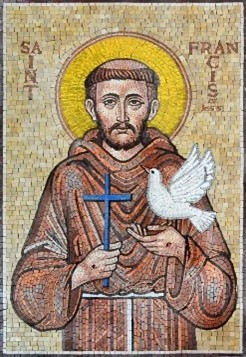 rancis of Assisi was a 13th‑century Italian friar known for his commitment to poverty, charity, and the founding of the Franciscan Order, becoming one of the most venerated figures in Christianity.
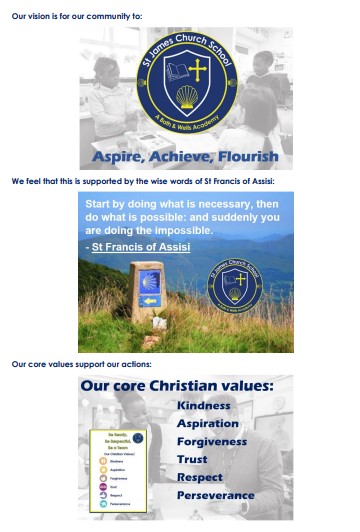
The quote, “Start by doing what’s necessary; then do what’s possible; and suddenly you are doing the impossible,” reflects St. Francis of Assisi’s philosophy of taking small, meaningful actions that lead to greater achievements.
This quote emphasizes the importance of beginning with simple, necessary tasks before progressing to more challenging ones. St. Francis of Assisi, known for his humility and dedication to serving others, lived a life that exemplified this principle. He believed that by focusing on what is essential and achievable, individuals could gradually work toward accomplishing greater goals that may initially seem unattainable.
The relevance of this quote can be understood through three key ideas:
- Start Small – The quote encourages individuals to take the first step, no matter how small. This may mean addressing immediate needs or challenges in one’s life or community.
- Build Momentum – By completing necessary tasks, one gains confidence and momentum, making it easier to tackle more complex challenges later on.
- Have Faith in the Process – It reflects a deeper belief in the process of growth and achievement, suggesting that through consistent effort, what once seemed impossible can become possible.
What is the core Christian vision?
We feel that this captures our Christian Ethos and the spirit of the school most. 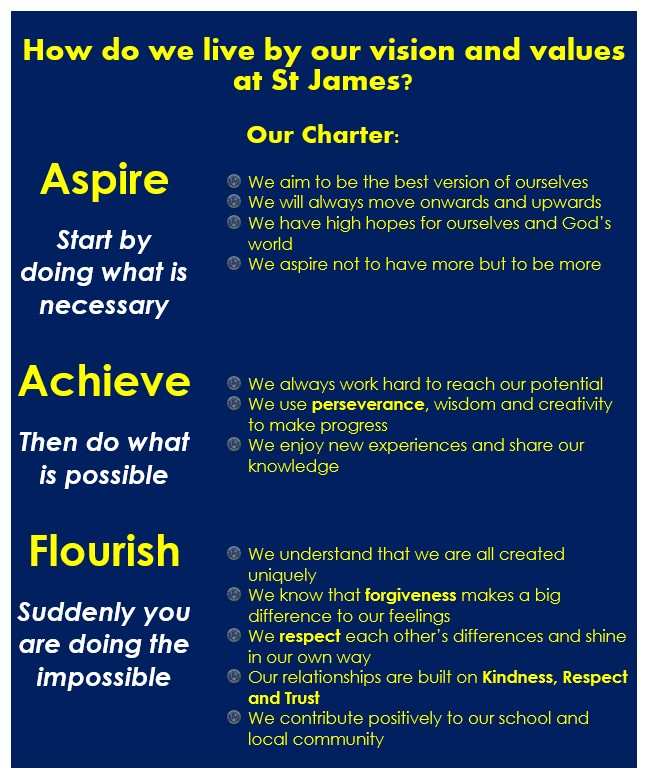
What are our core values and how do they shape our school?
Our key values are as follows:
pdf poster for walls 31 08 22.pdf
We explore these values in our daily collective worship.
We want our community to be enhanced by the values.
How does the school’s theologically rooted Christian vision enable people to flourish?
- Our Christian vison is expressed through everything that we do. At the heart of school life is the strapline of ‘Aspire, Achieve, Flourish’.
- We have linked this to St Francis of Assisi as we feel this represents our very diverse community aspirations.
- Values and positive relationships are at the heart of school life. Our relationships and Behaviour Policy is built around the idea that good relationships are key to a successful school. We promote the 6 values in relation to praising children and managing poor behaviour. We reward children with tokens when they demonstrate these values and the whole school is rewarded when they reach threshold collectively. For example, when the token bucket is full the whole school is rewarded with a free disco, talent show, ice cream, extra hour of playtime etc. Individual flourishing is demonstrated through learner of the week awards, receiving a token, There are 35 countries of origin, 20 languages of origin and 10 faiths. This diverse community accepts and supports our vision and very strongly support our values.
- Leaders prioritise well being for children and staff.
- The school has promoted courageous advocacy at all levels with this being clear in the progressive curriculum and collective worship. By creating pupil leadership groups leaders are promoting a culture of taking action and increasingly challenging injustice.
- Spirituality is a key principle of the school which is being further developed and included as part of the whole school development plan.
How does the curriculum reflect the school’s theologically rooted Christian vision?
- The curriculum intent is well designed and sequenced to enable children to understand the world in which they live, tackling local, national and international issues. See our school and BWMAT curriculum intent and each subject area here.
- THE BWMAT vision and education strategy underpins the work that we do and therefore enhances the schools curriculum intent and implementation.
- Children regularly explore a local, national or Global issue planned by each class teacher using Picture news.
- Each fortnight a class collective worship focusses on the windows, mirrors, doors approach to reflection developing children’s spirituality and enabling them to understand their place in the world.
- Given our school context with high numbers of children who are disadvantged and/or from other countries we prioritise oracy.
- Class teachers plan an age-appropriate collective worship where the children learn from a moral story including bible stories.
- Throughout their time at St James children learn about key courageous advocates. Through discussion children develop an understanding of key figures who were courageous advocates.
- Disadvantaged children at St James have a curriculum enhanced by experiences. See our pupil premium planning here. The plan is focussed on CPD for staff, Academic Interventions, Voice 21 Oracy development project (year 3) , enhanced curriculum resources, music provision included Rocksteady. It is targeted at improving staff practice, curriculum provision and extra-curricular experiences. In turn this enhances the other key aspect of our cohorts who are from different countries and mat too need these enhancements in order to thrive and flourish.
- We utilise the resource of having a very varied community to enhance the curriculum for all children. Children and parents share their experiences, cultures and faiths with others reflecting our Christian vision.
- We have a good range of free clubs supported by staff including free holiday activities and trips.
Link to our last Ofsted Report (November 2024)
Link to our last SIAMS Report (November 2022)
|
Religious Education Through the teaching of religious education we aim to promote the spiritual and moral development of the children, at the same time seeking to ensure that it promotes respect, understanding and tolerance for those who adhere to different faiths. Religious Education in our school is in accordance with the locally agreed syllabus and reflects the teaching of the Church of England. A parent does have the right to withdraw their child from religious education if so wished.
|
|
|
Collective Worship
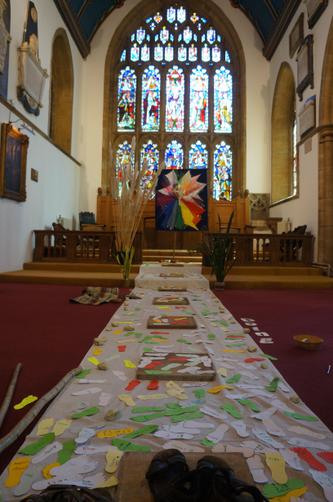
Collective worship is based around a programme of Christian values. These are promoted to the school through displays both in class and the wider school. Opportunities for adults and children alike to have moments of awe and wonder are cultivated where possible. Our approach to spirituality is embedded into our collective worship timetable.
Links to:
BWMAT Collective Worship Policy
Here is the latest timetable for Collective Worship at St James:
worship timetable spring 2 25 26.pdf
|
|
|
Spiritual Development at St James Church School:
Spiritual development is the search for meaning and purpose in life and for the values by which we live. It is about the growth of knowledge and insight into values and beliefs.
For some, spiritual development is about the development of a relationship with God, while for others it is about the development of the human spirit, and for others, a continual quest after truth. For all, it is vital to spiritual development that children and adults alike are allowed space to develop their own faith, beliefs and values.
St James seeks to provide children with openings for spiritual development in three vital ways:
Windows Giving children opportunities to become aware of the world in new ways; to wonder about life’s ‘Wows’ (things that are amazing) and ‘Ows’ (things that bring us up short). In this children are learning about life in all its fullness.
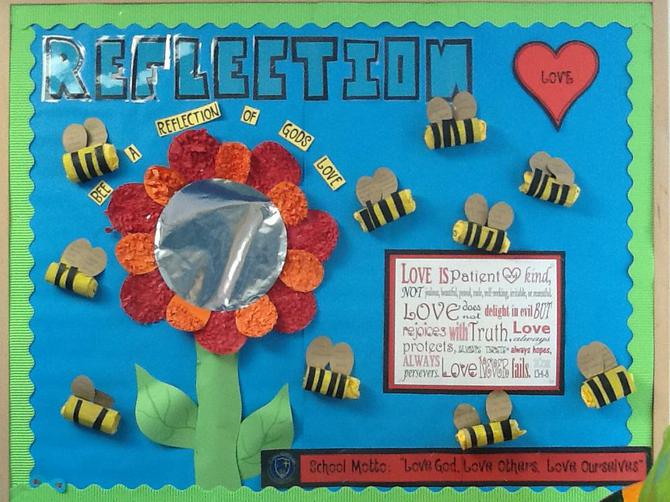
Mirrors Giving children opportunities to reflect on their experiences; to meditate on life’s big questions and to consider some possible answers. In this they are learning from life by exploring their own insights and perspectives and those of others.
Doors Giving children opportunity to respond to all of this; to do something creative as a means of expressing, applying and further developing their thoughts and convictions. In this they are learning to live by putting into action what they are coming to believe and value.
What does this look like at St James:
These opportunities appear across the curriculum and within school activities, assemblies and extra-curricular events. |
|
|
St James Church Links:
There are strong links between the school and St James, the parish church.
Transforming Lives for Good (TLG)
We also undertake visits to different faith buildings and welcome visitors to come and help children understand Christianity as a multicultural world faith and respect the diversity and difference within other faith communities.
We also visit the St James PCC to update them about the school and how we can support each other.
|
|
|
The Jigsaw Programme: Jigsaw is a comprehensive programme for Primary Personal Social and Health Education (PSHE) including statutory Sex, Relationships and Health Education, in a spiral, progressive and fully planned scheme of work, giving children relevant learning experiences to help them navigate their world and to develop positive relationships with themselves and others.
With strong emphasis on emotional literacy, building resilience and nurturing mental and physical health, Jigsaw 3-11 properly equips schools to deliver engaging and relevant PSHE within a whole-school approach. Jigsaw lessons also include mindfulness allowing children to advance their emotional awareness, concentration and focus. |
|
|
MORAL DEVELOPMENT
Moral development is:
The environment in which our pupils learn, and the expectations within that environment, will influence our pupils’ moral development.
Our teaching in any subject in the school, including in extra-curricular activities, ensures that our pupils are offered a balanced presentation of opposing views.
Collective worship and PHSE sessions can provide an opportunity for reflection and consideration of issues of a moral nature. We use the Jigsaw material to support out learning material.
Moral Development at St James Church School:
|
|
|
SOCIAL DEVELOPMENT
Social development is:
The general school environment, its routines and structures, provides opportunities for promoting the social development of all its pupils.
Social Development at St James Church School:
|
|
|
CULTURAL DEVELOPMENT
At St James Church School we have a high number of children from different countries, cultures and backgrounds. We want to celebrate each child’s racial and cultural tradition and encourage each pupil to be proud of her heritage sharing their experiences, traditions and beliefs with each other. Through many curriculum areas, as well as extra-curricular activities, we encourage pupils to respect and appreciate the diversity and richness of the cultures and heritages different to their own and to avoid and resist racism.
Cultural Development at St James Church School:
|
|